
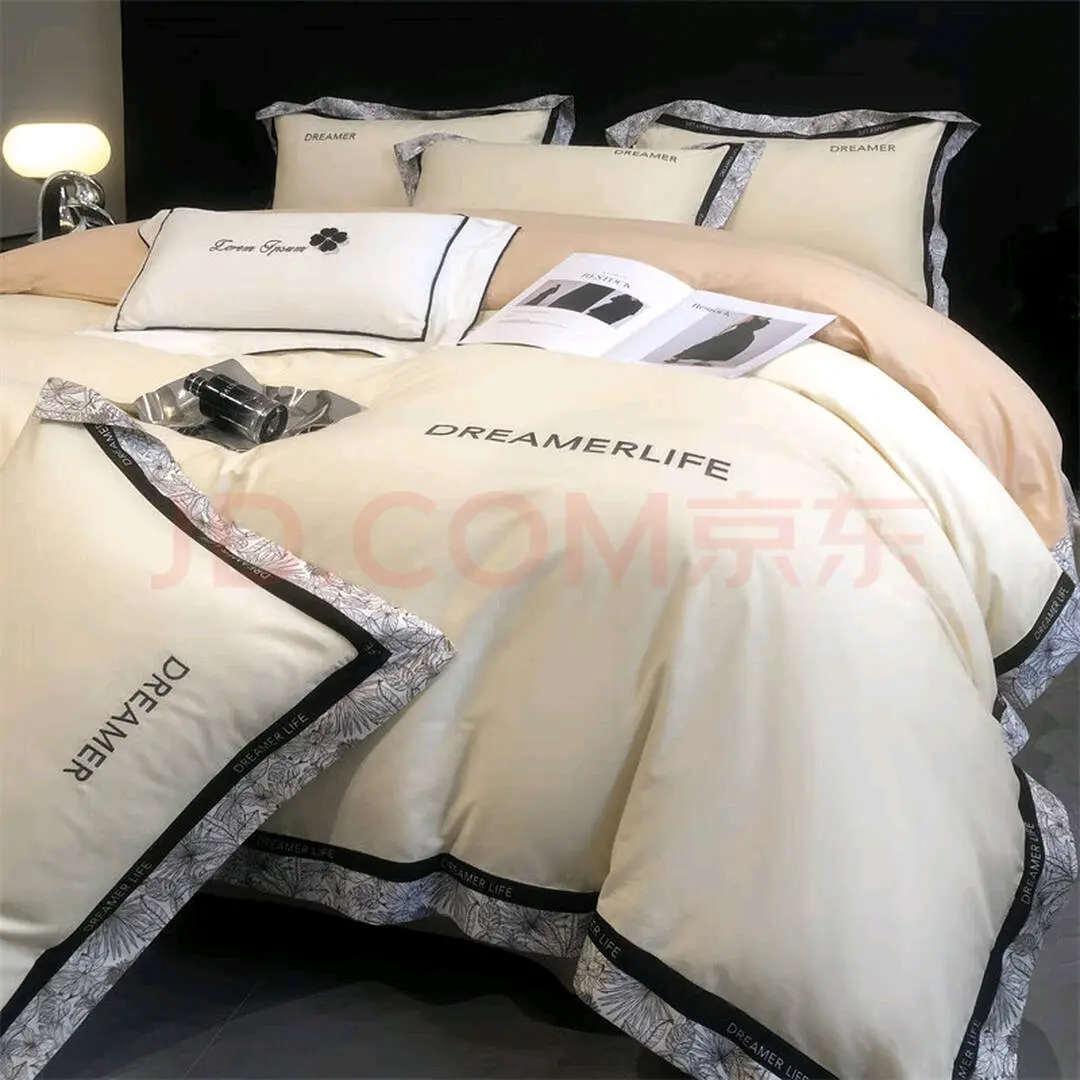
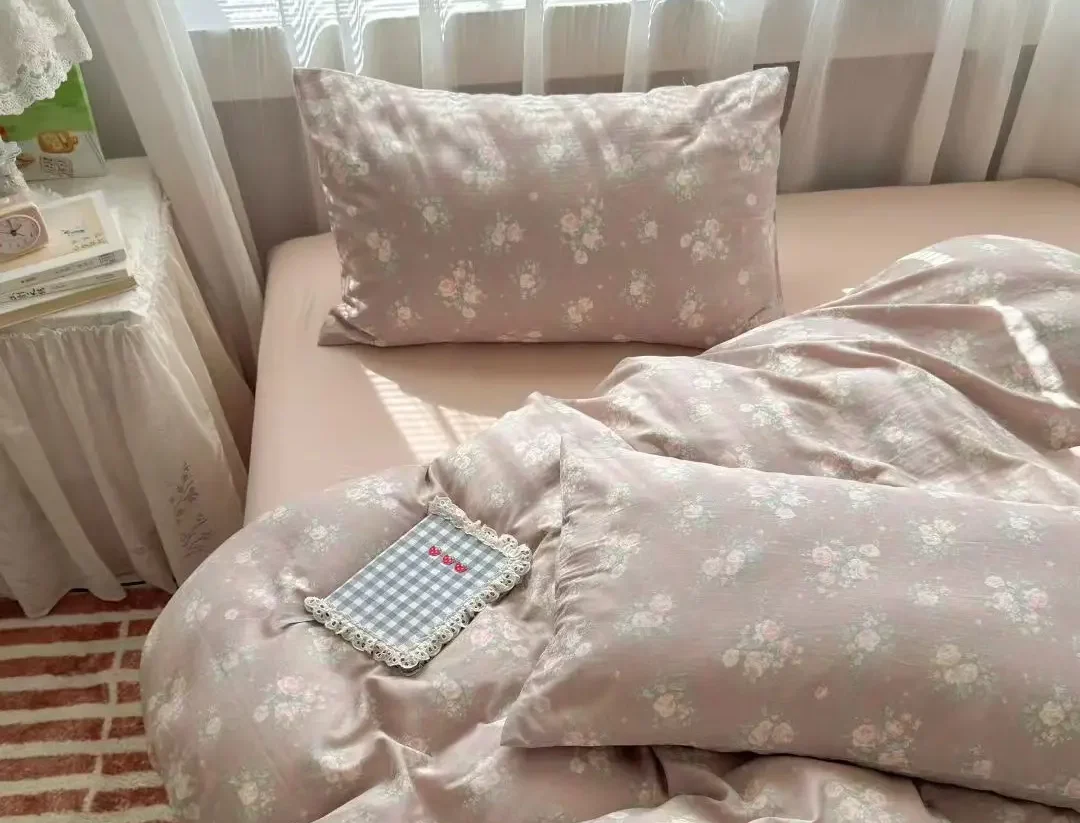

Home textile trends rarely change overnight. Most shifts happen slowly as people begin paying closer attention to comfort, breathability, and long-term durability in the fabrics they sleep with every night. In recent years, double gauze cotton bedding has quietly moved from a niche textile used in baby blankets and lightweight garments into a material increasingly adopted for bedding collections.
Unlike traditional sheet fabrics such as standard cotton percale, sateen, or polyester blends, double gauze cotton bedding introduces a different structural philosophy. Rather than relying solely on thread count to define softness, the fabric uses a layered weave that creates natural airflow and a soft, cloud-like texture.
This shift reflects a broader movement in the bedding industry. Consumers no longer evaluate bedding by thread count alone. Instead, they care about:
-
Breathability during different seasons
-
Skin friendliness and moisture control
-
Fabric durability after repeated washing
-
Natural texture rather than overly processed finishes
Double gauze cotton bedding addresses many of these concerns through its unique fabric construction.
Understanding how it compares with traditional bedding materials helps explain why manufacturers, retailers, and bedding brands are increasingly including it in their product catalogs.
What Is Double Gauze Cotton Bedding
Double gauze cotton bedding is made from a fabric that consists of two layers of lightweight cotton gauze woven together at regular intervals. These layers are connected by small binding threads that keep the fabric stable while allowing space between the layers.
This structure creates a textile that feels airy, soft, and naturally textured.
Unlike tightly woven fabrics such as percale or sateen, double gauze cotton intentionally maintains a slightly crinkled surface. That texture is not a defect—it is part of the design. The gentle puckering helps improve airflow while also reducing the need for ironing.
Several characteristics define the material.
Layered construction
Two thin gauze fabrics are lightly attached to form a breathable cushion of air between them.
Natural softness
Because the cotton fibers are not heavily compressed during weaving, the fabric remains soft even before washing.
Lightweight feel
Despite having two layers, the fabric remains light due to the loose weave.
Improved airflow
Air moves freely between the layers, helping regulate temperature during sleep.
For bedding products such as duvet covers, pillowcases, and sheet sets, this combination results in a sleep surface that feels relaxed rather than overly smooth or stiff.
Traditional Bedding Fabrics and Their Characteristics
To understand the advantages of double gauze cotton bedding, it helps to compare it with some of the most commonly used bedding fabrics.
Each traditional material has its own strengths, but they follow different textile engineering principles.
Percale Cotton
Percale is a tightly woven cotton fabric using a plain weave pattern. It is known for its crisp feel and matte appearance.
Pros include strong durability and a cool sleeping surface. However, percale can feel stiff when new and may require several washes to soften.
Cotton Sateen
Sateen bedding uses a satin weave structure that exposes more threads on the surface, creating a smooth and slightly shiny finish.
This type of fabric feels silky and luxurious, but it tends to retain heat more than percale.
Polyester or Cotton Blends
Blended fabrics combine natural fibers with synthetic ones to reduce cost and increase wrinkle resistance.
They are durable and easy to maintain, yet many sleepers find them less breathable and less comfortable than pure cotton options.
Linen
Linen bedding has excellent breathability and a distinctive texture. However, it can feel rough initially and often carries a higher price point.
Compared with these materials, double gauze cotton bedding introduces a different balance of softness, breathability, and relaxed texture.
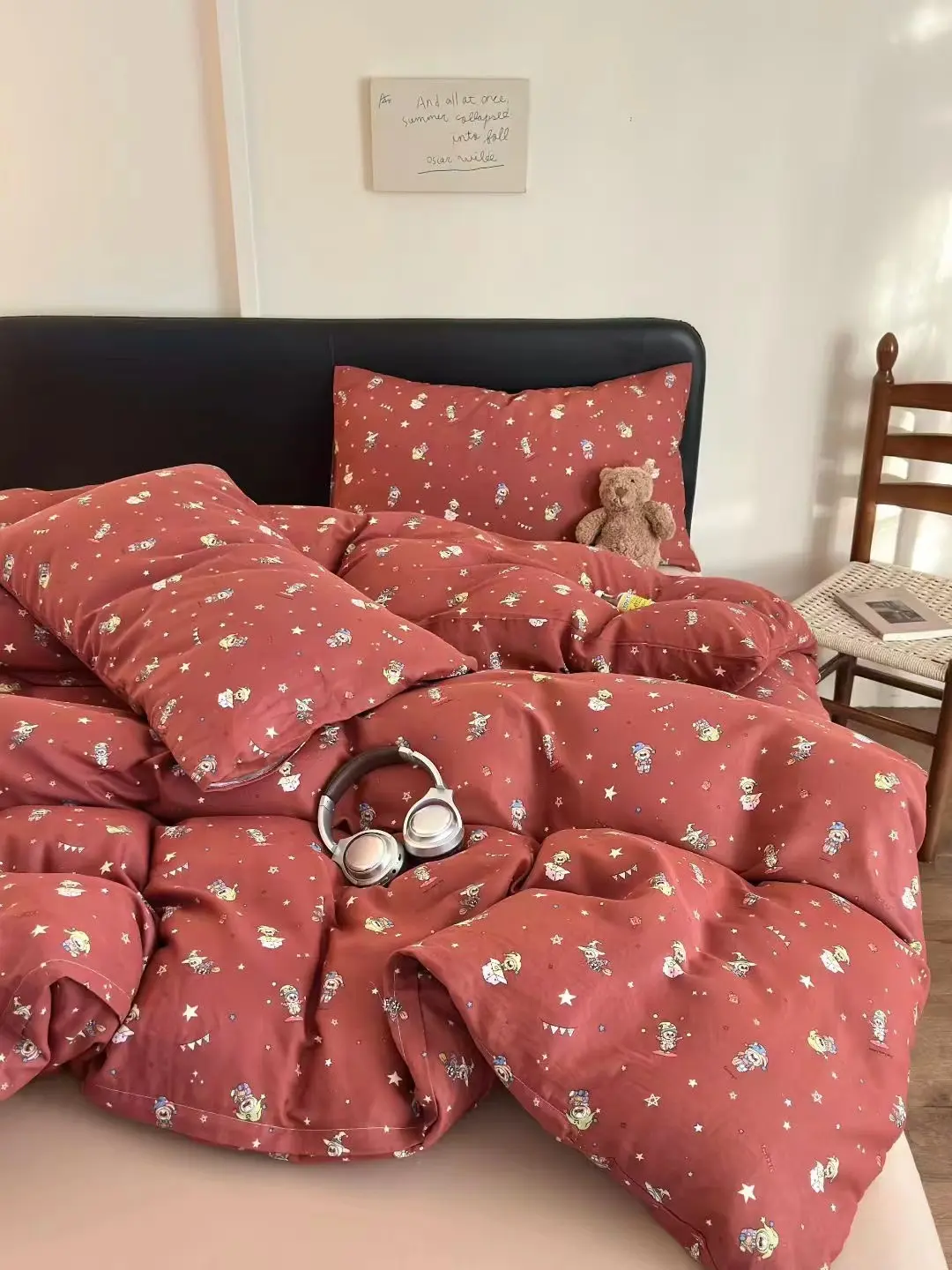
Structural Differences Between Double Gauze Cotton and Traditional Bedding Fabrics
Fabric structure plays a huge role in how bedding feels and performs over time.
The following table highlights key structural differences between double gauze cotton bedding and several commonly used bedding materials.
| Fabric Type | Weave Structure | Texture | Breathability | Weight |
|---|---|---|---|---|
| Double Gauze Cotton | Two-layer gauze weave | Soft and slightly crinkled | Very high | Lightweight |
| Percale Cotton | Plain tight weave | Crisp and smooth | High | Medium |
| Cotton Sateen | Satin weave | Silky and smooth | Medium | Medium |
| Linen | Plain weave from flax fiber | Textured | Very high | Medium |
| Polyester Blend | Synthetic blend weave | Smooth but dense | Lower | Medium |
This comparison shows that double gauze cotton stands out primarily because of its air pocket structure created by the two gauze layers.
That small architectural detail changes the entire sleeping experience.
Comfort Differences in Daily Use
Comfort in bedding is not determined by a single factor. Instead, it results from several physical properties working together.
Double gauze cotton bedding behaves differently from traditional fabrics in several noticeable ways.
Temperature Regulation
Because air flows freely between the two gauze layers, heat does not become trapped near the body as easily.
This makes the fabric suitable for both warm climates and sleepers who tend to feel overheated during the night.
Moisture Absorption
Cotton fibers naturally absorb moisture. The loose structure of double gauze fabric allows moisture to evaporate quickly, preventing the damp feeling sometimes associated with dense fabrics.
Skin Sensitivity
The soft surface and absence of heavy chemical finishes make double gauze cotton bedding comfortable for people with sensitive skin.
Natural Movement
Instead of feeling tightly stretched across the mattress, the fabric drapes naturally. That relaxed structure often feels more comfortable for sleepers who prefer bedding that moves easily.
Durability and Long-Term Performance
Durability is another key concern for bedding buyers, especially for hotels, hospitality businesses, and home textile brands.
At first glance, a gauze weave may appear delicate. However, double gauze cotton bedding can actually perform well over time when produced correctly.
Several factors contribute to its durability.
-
High-quality cotton fibers strengthen the yarn structure
-
Reinforced binding points hold the two layers together
-
Proper finishing processes prevent excessive shrinkage
-
Pre-washing techniques stabilize the fabric before sewing
When these elements are handled properly during manufacturing, double gauze cotton bedding can withstand regular washing while maintaining its soft texture.
Interestingly, many users report that the fabric becomes even softer after multiple washes, which is not always the case with tightly woven bedding materials.
Aesthetic Appeal and Texture
Bedding is not only about comfort. Visual appeal plays a major role in purchasing decisions.
Traditional bedding fabrics often rely on smooth surfaces and printed designs to create visual interest. Double gauze cotton bedding offers a different aesthetic direction.
The naturally wrinkled texture gives the fabric a relaxed appearance that fits well with modern interior styles such as minimalist, Scandinavian, or casual contemporary design.
Unlike heavily pressed fabrics, double gauze bedding rarely requires ironing. The natural texture hides small wrinkles and maintains a soft drape on the bed.
This characteristic has become especially popular among consumers who prefer low-maintenance home textiles.
Manufacturing Considerations for Double Gauze Cotton Bedding
Producing high-quality double gauze cotton bedding requires careful control throughout the textile manufacturing process.
Unlike standard sheet fabrics, gauze textiles must maintain both softness and structural stability.
Key production considerations include:
-
Selecting long staple cotton fibers for strength and softness
-
Controlling yarn twist to maintain flexibility
-
Ensuring balanced weaving tension between both gauze layers
-
Applying gentle finishing treatments that preserve the natural texture
Fabric finishing is particularly important. Over-processing can flatten the gauze structure and reduce its breathability.
Manufacturers who specialize in double gauze fabrics often use enzyme washing or soft washing techniques to maintain the airy structure while improving the hand feel.
Market Demand for Double Gauze Cotton Bedding
The growing popularity of double gauze cotton bedding reflects broader trends in the home textile industry.
Consumers increasingly look for bedding that aligns with three major priorities:
-
Natural materials
-
Comfortable year-round use
-
Simple care requirements
Double gauze cotton meets all three expectations.
Online searches for breathable cotton bedding, lightweight bedding sets, and soft cotton duvet covers frequently lead buyers to products made from gauze cotton fabrics.
As a result, many bedding brands have begun expanding their product lines to include this material, particularly for spring and summer collections.
Retailers have also noticed that double gauze bedding appeals strongly to younger buyers who prefer relaxed, natural home aesthetics.
When Double Gauze Cotton Bedding May Be the Better Choice
Although traditional bedding fabrics still dominate the market, double gauze cotton bedding can be a better option in several situations.
Warm climates
The breathable structure helps regulate temperature during hot nights.
Sensitive skin
The soft cotton layers reduce friction against the skin.
Casual bedroom styling
The textured appearance complements relaxed interior designs.
Low-maintenance households
The natural crinkle reduces the need for ironing.
In these scenarios, the fabric’s structural advantages become particularly noticeable.
The Future of Double Gauze Cotton Bedding in Home Textiles
The evolution of bedding fabrics rarely stops at a single innovation. Textile mills continue experimenting with yarn blends, weaving techniques, and finishing methods to improve comfort and durability.
Double gauze cotton bedding represents one step in that ongoing process.
Future developments may include:
-
organic cotton gauze bedding
-
temperature-regulating fiber blends
-
antimicrobial finishing for hygiene
-
improved dyeing techniques for deeper color stability
As home textile manufacturers continue exploring these possibilities, double gauze fabrics will likely become even more versatile.
The idea is simple yet surprisingly powerful: take cotton, loosen the weave, add space for air to move, and allow the fabric to behave more like a soft, breathable layer rather than a tightly compressed sheet.
That small change in structure transforms how bedding feels during sleep.
And sometimes, in the strange and inventive world of textiles, a tiny architectural tweak in a fabric can reshape the entire experience of rest.