
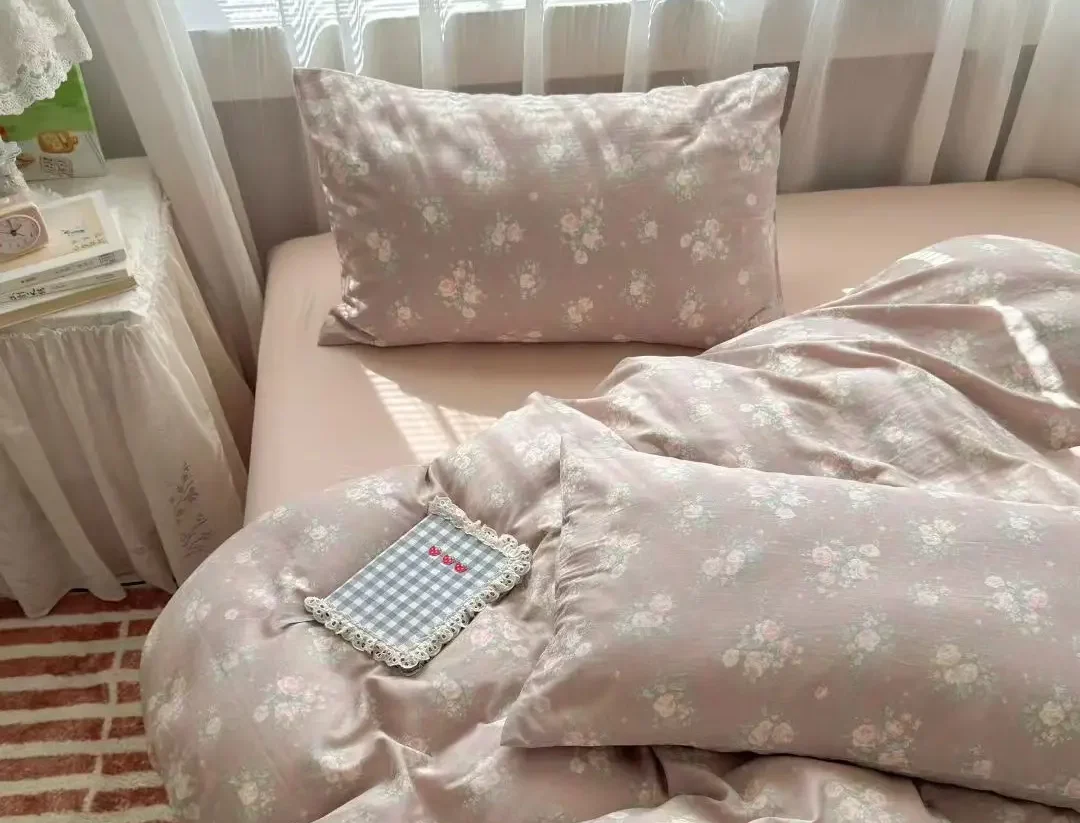


Despite the rapid growth of synthetic textiles and blended fabrics, Pure Cotton Bedding remains one of the most trusted and widely chosen bedding categories worldwide. From luxury hotels to family homes, cotton continues to define what people associate with comfort, breathability, and natural sleep quality.
This preference is not simply driven by tradition. It is rooted in fiber science, moisture behavior, thermal regulation, and long-term durability. While microfiber, polyester, and bamboo fabrics all compete in the bedding market, Pure Cotton Bedding maintains a unique balance between comfort, practicality, and performance.
To understand why, we need to move beyond marketing descriptions and explore what pure cotton truly means, how it is manufactured, how weave and fiber length affect performance, and how it compares to alternative materials under real conditions.
What Is Pure Cotton Bedding?
Definition of “Pure Cotton”
Pure Cotton Bedding refers to bedding products made from 100% cotton fibers without blending with synthetic or regenerated fibers. This includes:
-
Bed sheets
-
Fitted sheets
-
Duvet covers
-
Pillowcases
-
Comforter shells
In the textile industry, “pure cotton” typically indicates that both warp and weft yarns consist entirely of cotton. However, finishing treatments such as anti-wrinkle or softening processes may still be applied.
It is important to distinguish between:
-
100% cotton
-
Cotton-rich blends (e.g., 60% cotton / 40% polyester)
-
Cotton-feel synthetic fabrics
Only the first category qualifies as Pure Cotton Bedding in a strict technical sense.
The Foundation of Pure Cotton Bedding
Cotton is a natural cellulose fiber harvested from the cotton plant. Unlike synthetic fibers derived from petrochemicals, cotton grows as a soft, fluffy staple fiber around seeds.
Fiber Structure and Comfort
Cotton fibers are naturally twisted and hollow. This structure allows:
-
Air circulation between fibers
-
Moisture absorption
-
Gradual release of humidity
-
Reduced heat buildup
The hollow internal channel in cotton fibers contributes to temperature regulation. When used in Pure Cotton Bedding, this characteristic allows the fabric to absorb perspiration while maintaining surface dryness.
Staple Length and Its Impact
Cotton quality depends heavily on fiber length.
-
Short-staple cotton produces rougher yarns.
-
Long-staple cotton results in smoother, stronger fabrics.
-
Extra-long staple cotton (such as Egyptian or Pima cotton) offers superior softness and durability.
Longer fibers mean fewer exposed fiber ends, which reduces pilling and increases tensile strength. Therefore, high-quality Pure Cotton Bedding usually uses long-staple cotton.
Types of Cotton Used in Pure Cotton Bedding
Not all Pure Cotton Bedding performs equally. The origin and fiber type significantly influence quality.
Upland Cotton
The most widely produced cotton globally. It is affordable and suitable for mid-range bedding. While durable, it may not feel as silky as premium varieties.
Egyptian Cotton
Known for extra-long staple fibers, Egyptian cotton produces smooth, strong yarns. High-end Pure Cotton Bedding often uses this variety.
Pima Cotton
Grown mainly in the United States and parts of South America, Pima cotton offers similar characteristics to Egyptian cotton: softness, durability, and resistance to pilling.
Organic Cotton
Organic Pure Cotton Bedding uses cotton grown without synthetic pesticides or fertilizers. While fiber quality depends on farming conditions, organic certification focuses primarily on environmental impact rather than softness alone.

Weave Structures in Pure Cotton Bedding
The weave construction of Pure Cotton Bedding dramatically affects feel and performance.
Percale Weave
Percale is a plain weave with a one-over-one-under pattern. It creates:
-
A crisp, cool touch
-
Matte appearance
-
High breathability
Percale Pure Cotton Bedding is often preferred in warm climates or summer seasons.
Sateen Weave
Sateen uses a modified weave structure that allows more threads to float on the surface. This results in:
-
A smoother feel
-
Subtle sheen
-
Slightly heavier drape
Sateen Pure Cotton Bedding feels softer initially but may retain slightly more warmth.
Twill Weave
Twill features a diagonal pattern. It increases durability and wrinkle resistance, but is less common in bedding than percale or sateen.
Jersey Knit Cotton
Unlike woven fabrics, jersey knit cotton is stretchy and soft. Pure Cotton Bedding made from jersey knit feels similar to a T-shirt and is often chosen for casual comfort.
Thread Count: What It Really Means
Thread count refers to the number of horizontal and vertical threads per square inch of fabric.
However, thread count alone does not determine quality.
A moderate thread count (300–500) using long-staple cotton often outperforms extremely high thread counts made from inferior fibers.
Very high advertised thread counts sometimes involve multi-ply yarn manipulation, which may increase numbers without improving softness.
For most Pure Cotton Bedding, the ideal balance lies between breathable construction and fiber quality, not extreme thread density.
Core Benefits of Pure Cotton Bedding
The popularity of Pure Cotton Bedding can be summarized through several performance advantages:
-
Excellent breathability and airflow
-
Strong moisture absorption and release
-
Natural temperature regulation
-
Softness that improves with washing
-
Durability under proper care
-
Skin-friendly and generally hypoallergenic
Each of these benefits stems from cotton’s cellulose structure rather than artificial surface treatment.
Unlike synthetic alternatives, Pure Cotton Bedding becomes softer over time as fibers relax with repeated washing.
Pure Cotton Bedding vs Polyester and Microfiber
Breathability Comparison
Polyester and microfiber are hydrophobic, meaning they repel water. While this can speed drying time, it also limits moisture absorption.
Pure Cotton Bedding absorbs perspiration and allows gradual evaporation, making it more comfortable in warm or humid conditions.
Temperature Regulation
Synthetic fabrics may trap heat due to lower breathability. Pure Cotton Bedding allows more natural air exchange, creating a cooler sleeping surface.
Durability and Maintenance
Polyester resists wrinkling and shrinking better than cotton. However, it may retain odors and feel less natural against the skin.
Pure Cotton Bedding requires more careful washing but offers superior comfort for extended use.
Pure Cotton Bedding vs Linen and Bamboo
Linen, derived from flax, is highly breathable and durable but often feels rougher initially.
Bamboo-derived fabrics (usually viscose) are soft and smooth but involve chemical processing.
Pure Cotton Bedding occupies a middle ground—natural, soft, breathable, and relatively easy to maintain compared to linen.
Seasonal Performance of Pure Cotton Bedding
Summer Performance
Pure Cotton Bedding excels in warm weather due to its moisture absorption and airflow properties. Percale weaves are particularly suitable for hot climates.
Winter Performance
In winter, sateen or higher thread count Pure Cotton Bedding retains warmth while remaining breathable.
Cotton does not insulate as strongly as flannel or fleece, but provides balanced comfort without overheating.
Skin Sensitivity and Health Considerations
Because Pure Cotton Bedding is made from natural cellulose fibers, it is generally suitable for sensitive skin.
It reduces:
-
Skin irritation
-
Static buildup
-
Excessive heat accumulation
However, finishing chemicals applied during manufacturing can affect skin comfort. Certified bedding products minimize chemical residue.
Sustainability and Environmental Impact
Cotton farming requires significant water usage. However, sustainable initiatives are improving efficiency.
Organic Pure Cotton Bedding reduces chemical pesticide use.
Certifications such as GOTS and OEKO-TEX provide reassurance regarding environmental and chemical safety standards.
While cotton is biodegradable, its sustainability depends heavily on agricultural practices and manufacturing processes.
How to Identify High-Quality Pure Cotton Bedding
When evaluating Pure Cotton Bedding, consider:
-
Fiber origin and staple length
-
Evenness of weave construction
-
Fabric weight and density
-
Stitching and seam quality
-
Shrinkage allowance
-
Certification labels
High-quality Pure Cotton Bedding feels balanced—not excessively heavy or artificially silky.
Common Limitations of Pure Cotton Bedding
Pure Cotton Bedding is not without drawbacks.
It may:
-
Wrinkles more easily than polyester
-
Shrink if exposed to high heat
-
Fade gradually after many washes
-
Require ironing for a crisp appearance
Understanding these characteristics helps manage expectations.
Care and Maintenance
Proper care extends the lifespan of Pure Cotton Bedding.
Wash in moderate temperatures.
Avoid excessive heat drying.
Separate light and dark colors.
Remove promptly from the dryer to reduce wrinkles.
Over time, properly maintained Pure Cotton Bedding becomes softer and more comfortable.
Market Trends in Pure Cotton Bedding
Global consumers increasingly seek natural materials. The premium bedding segment emphasizes long-staple cotton and sustainable certifications.
Hotels continue to favor Pure Cotton Bedding for its breathable comfort and guest satisfaction.
Meanwhile, budget markets compete with synthetic alternatives, but cotton remains the benchmark for natural sleep quality.
Is Pure Cotton Bedding Worth the Investment?
For consumers prioritizing comfort, breathability, and natural fibers, Pure Cotton Bedding remains a strong investment.
While it may require slightly more maintenance than synthetic options, its long-term comfort and skin-friendly characteristics justify its enduring popularity.
The Enduring Value of Pure Cotton Bedding
Pure Cotton Bedding continues to lead the global bedding market because it aligns with fundamental human comfort needs: breathability, moisture management, and natural softness.
While synthetic fabrics may offer convenience, cotton provides a sleeping experience rooted in fiber science and long-standing textile tradition.
Understanding fiber type, weave structure, and quality indicators allows buyers to make informed decisions rather than relying solely on marketing claims.
In the evolving bedding industry, Pure Cotton Bedding remains not just a classic choice but a technically sound and performance-driven one.